
Winter brings freezing temperatures, icy roads, and unpredictable weather; conditions that make proper tire care more important than ever. One of the most overlooked aspects of Winter car maintenance is monitoring your tire pressure, which can drop quickly as temperatures fall. Many drivers don’t realize how much cold weather affects tire performance until warning lights appear or handling becomes less stable. Before winter conditions set in, it’s a great time to explore seasonal offers through the service and parts specials page to stay ahead of maintenance needs.
Key Points
- Cold temperatures naturally lower tire pressure, which can reduce traction, increase stopping distances, and affect fuel efficiency, which makes winter tire checks essential for safety.
- Maintaining proper tire pressure improves stability and handling, preventing uneven wear and helping your vehicle perform reliably on icy or snowy roads.
- Regular pressure checks—ideally monthly or more during extreme cold—help catch issues early, and professional service ensures your tires stay properly inflated and winter‑ready.
Why Does Tire Pressure Drop in Cold Weather?
The answer comes down to basic science. Air contracts when temperatures fall, which means the air inside your tires takes up less space. For every 10-degree drop in temperature, tire pressure can decrease by about 1 PSI. This may not sound like much, but even a small drop can affect traction, braking, and fuel efficiency. In winter, when roads are slick and stopping distances increase, proper tire pressure becomes essential for safety.
The Importance of Proper Tire Pressure in Cold Weather
Maintaining the right tire pressure in cold weather helps ensure your vehicle performs as it should. Underinflated tires create more surface contact with the road, which can lead to uneven wear, reduced fuel economy, and sluggish handling. Overinflated tires, on the other hand, can reduce traction, especially dangerous on icy or snowy roads.
Proper tire pressure also helps your vehicle maintain stability during sudden stops or sharp turns. With winter conditions already working against you, keeping your tires at the recommended PSI is one of the simplest ways to improve safety and performance.
How Do I Check Tire Pressure?
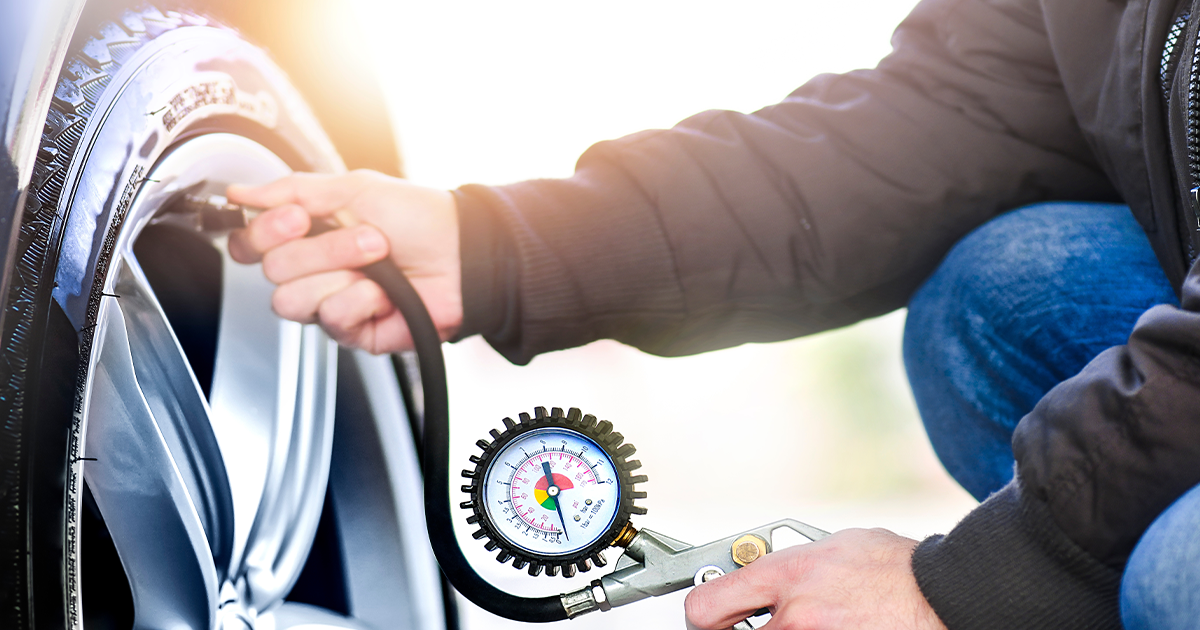
The process is simple and can be done at home or at a service center. Start by using a reliable tire pressure gauge, digital or manual. Check your tires when they’re cold, ideally before driving, because heat from the road can temporarily raise pressure readings. Compare your results to the recommended PSI listed inside your driver’s door or in your owner’s manual. If the pressure is low, add air gradually and recheck until you reach the correct level.
If you’re unsure or prefer professional help, scheduling GMC tire service in Clarksville, TN ensures your tires are inspected, inflated, and ready for winter conditions.
How Often Should I Check Tire Pressure in Winter?
Since temperatures fluctuate throughout the season, experts recommend checking at least once a month, but during extreme cold snaps, checking every two weeks is even better. Tire pressure monitoring systems (TPMS) are helpful, but they don’t always alert you until pressure is significantly low. Regular manual checks help catch issues early and prevent uneven wear or unsafe driving conditions.
Protect Your Tires and Stay Safe This Winter
Proper tire care is one of the easiest ways to stay safe on winter roads. If you notice frequent pressure drops, uneven wear, or handling issues, it may be time for a professional inspection. Our certified technicians at Wyatt Johnson GMC can help ensure your tires are winter‑ready, from pressure checks to rotations and replacements. You can schedule an appointment through the service scheduling page or explore flexible payment options through auto service financing.
Winter driving demands confidence, and that starts with well‑maintained tires. For questions, assistance, or expert guidance, reach out through the contact page and make sure your vehicle is prepared for the cold months ahead.
Connect with us