

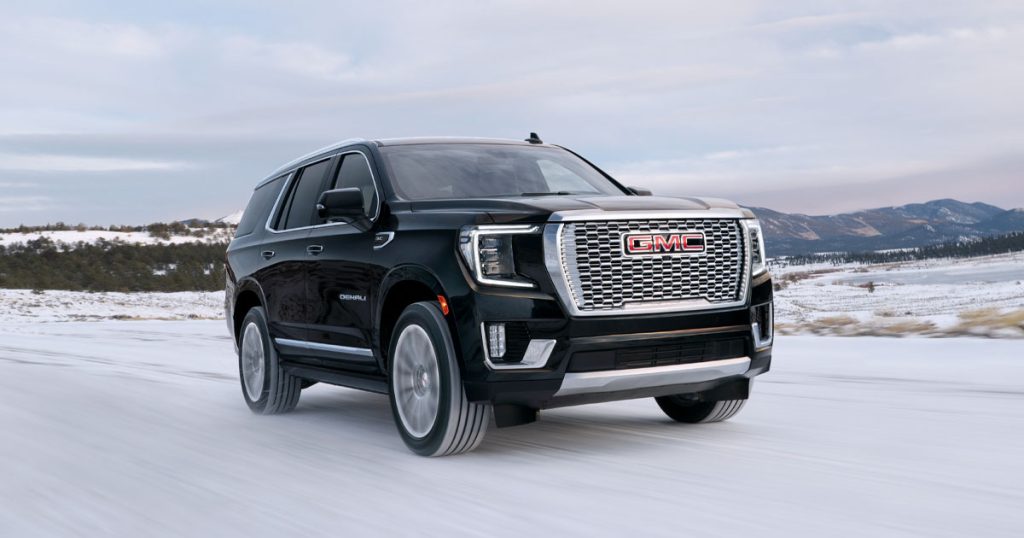
Winter driving can present a unique set of challenges, from icy roads to heavy snowfalls. Ensuring your vehicle is ready for the season not only improves safety but also enhances your overall driving experience. Proper preparation is key, and this Winter Driving Guide will provide you with tips and insights on how to get your vehicle ready for winter, from choosing the best winter tires to deciding whether tire chains for snow are necessary. If you’re planning on braving the cold, here are a few steps to take to prepare for winter driving.
1. Choosing the Best Winter Tires for Your Vehicle
The most crucial component of preparing for winter driving is ensuring you have the best winter tires for your vehicle. Winter tires are specifically designed with deeper treads and unique rubber compounds that provide better grip in cold, snowy, and icy conditions compared to all-season tires. They are engineered to stay flexible in freezing temperatures, ensuring better traction on slick roads.
If you’re unsure which winter tires are best for your vehicle, consider the type of driving you do and your climate. For instance, if you frequently drive through deep snow, consider tires with aggressive treads designed to offer more bite. If you’re mostly navigating icy roads or slush, tires with more balanced performance might be the right choice.
To help you find the best winter tires for trucks, check out the winter tire options available at Wyatt Johnson GMC. The right winter tire ensures that your vehicle will perform safely, providing better handling, braking, and overall control when temperatures drop.
2. How to Prepare for Winter Tires
Installing winter tires is one of the most important steps in preparing for the colder months. Here’s how you can prepare your vehicle for winter tires:
- Check your tire size: Before purchasing winter tires, verify your vehicle’s required tire size and specifications, which you can typically find in your owner’s manual or on the tire placard inside the driver’s side door.
- Schedule an appointment: Winter tire installation should be done at least a week before the first snowfall. This gives you plenty of time to have the tires mounted and balanced properly.
- Store your all-season tires: If you’re switching from all-season tires, make sure to store them properly in a cool, dry place. It’s important to inspect them for wear or damage, as using them during winter months can reduce performance and safety.
Schedule your tire service at Wyatt Johnson GMC’s service page, and let their experts assist in installing the best winter tires for your vehicle.
3. Understanding Tire Chains for Snow
For areas that experience heavy snow and ice, tire chains for snow can be an essential tool to ensure your vehicle can maintain traction and safely navigate through difficult conditions. Tire chains are particularly useful in mountainous areas where the snow can pile up, and standard winter tires might not provide enough grip.
When using tire chains, it’s crucial to:
- Know the law: Some regions have restrictions on when and where tire chains can be used. Be sure to familiarize yourself with local regulations.
- Choose the right size: Tire chains must fit your tires correctly to avoid damage. Always double-check the size before purchase.
- Practice installing them: If you’re not familiar with how to put tire chains on, practice before you need them in a snowstorm.
To purchase tire chains for snow, visit Wyatt Johnson GMC dealership for availability.
4. Best Trucks for Snow
When it comes to handling snow and winter roads, some vehicles are built for better traction and performance in challenging weather conditions. If you’re in the market for a vehicle that excels in winter, check out the best trucks for snow, which include models with all-wheel drive (AWD), four-wheel drive (4WD), and high ground clearance. Trucks such as the GMC Sierra are ideal options for those living in snowy climates.
These trucks are equipped to handle the harshest winter conditions, offering a powerful combination of performance, durability, and handling. Additionally, their larger wheels and enhanced suspension systems provide added stability and comfort when driving in deep snow.
At Wyatt Johnson GMC, you can explore a variety of GMC trucks for sale designed for snow handling. Whether you’re looking for a truck with rugged 4WD or one that’s built for long-lasting performance, you’ll find the perfect model to meet your winter driving needs.
5. Additional Winter Driving Tips
While preparing your tires is the most important aspect of winter driving, there are a few other essential winter driving tips to help you stay safe:
- Check your battery: Cold temperatures can reduce the battery’s ability to hold a charge. Make sure your battery is in good condition before winter sets in.
- Inspect wipers and fluid levels: Ensure your windshield wipers are functioning properly, and top off your windshield washer fluid with one designed for winter conditions to prevent freezing.
- Keep emergency supplies: Pack your vehicle with essential winter gear, including a blanket, first aid kit, water, snacks, a flashlight, and tire chains, just in case you get stuck.
- Drive cautiously: Even with the best winter tires, driving on icy roads requires caution. Slow down, keep a safe distance, and avoid sudden maneuvers to maintain control of your vehicle.
Winter Tire FAQ
Q: When is the best time to install winter tires?
A: Winter tires should be installed when temperatures consistently stay below 45°F (7°C). It’s typically best to have them installed by mid-fall to ensure you’re ready for winter weather.
Q: How long do winter tires last?
A: Winter tires can last between 3 to 5 seasons, depending on how often they are used and the driving conditions. Always check for signs of wear and replace them when needed.
Q: Can I use winter tires year-round?
A: No, winter tires are designed specifically for cold weather. Using them year-round can lead to faster wear and reduced performance, especially in warm conditions.
Q: Are tire chains necessary for snow driving?
A: Tire chains are helpful in areas with heavy snow or steep, icy conditions. However, they are not always necessary if your vehicle is equipped with good winter tires.
Hit the Road Confidently this Winter
Winter driving doesn’t have to be stressful or dangerous if you’re properly prepared. From equipping your vehicle with the best winter tires to using tire chains for snow, there are several ways you can enhance your vehicle’s performance in icy conditions. If you’re looking for the best trucks for snow or need help installing winter tires, visit Wyatt Johnson GMC for expert advice and services. Safe driving starts with preparation, and with the right tires and tools, you’ll be ready to tackle whatever winter throws your way.
Connect with us